Benefits of Montessori Education: 10 Advantages for Your Child
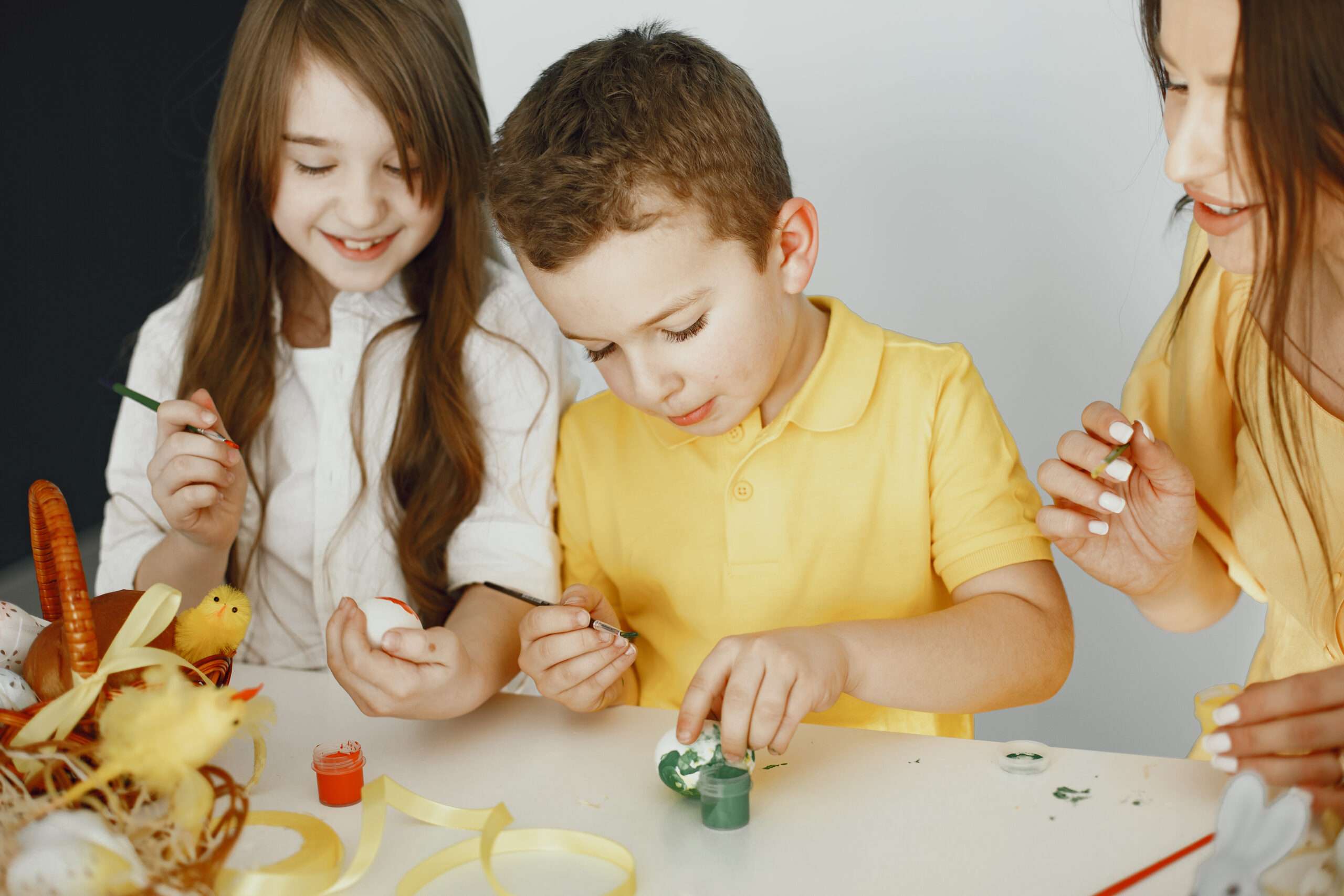
The main benefits of Montessori education are independence, a lasting love of learning, strong concentration, practical life skills, good social and emotional skills, and a solid start in reading and math. Children learn with their hands, at their own pace, in mixed-age classrooms where they choose their work and finish it. Below are the ten advantages parents ask about most, what each one looks like in a classroom, and how to support it at home.
1. Independence and Self-Discipline
In a Montessori classroom, everything is at the child's height: low shelves, child-sized tools, and materials a child can take out and put away without help. Children choose their work, complete it and return it. Doing real things for themselves, every day, builds confidence and the habit of finishing what they start. Self-discipline grows from the inside, because the child sees the result of their own choices. Our guide to Montessori discipline shows how this works without rewards or punishment.
2. A Love of Learning
Montessori children are not pushed through a lesson at the same moment as twenty others. Teachers watch for what each child is ready for and interested in, then present the next step. Because learning follows curiosity, children come to see it as something they want to do, not something done to them.
3. Hands-On Learning and Movement
Montessori materials make ideas concrete: a child counts real beads before writing numbers, and traces sandpaper letters before reading words. Moving, carrying, pouring and building also develop fine and gross motor skills, coordination and balance. In a Montessori room, movement is part of learning, not a break from it.
4. Learning at the Child's Own Pace
Each child moves on when they have mastered a skill, not when the calendar says so. A child who is ready for more is not held back, and a child who needs more time is not left behind. Teachers keep close records of each child's progress so the next lesson always fits.
5. Concentration and Focus
Montessori classrooms protect long blocks of uninterrupted work time. A child who chooses an activity is allowed to repeat it until they are satisfied. That is how deep concentration grows, and it is one of the skills teachers and parents notice first.
6. Practical Life Skills
Pouring water, buttoning a coat, washing a table, preparing a snack, caring for plants: these "practical life" activities are part of the daily work. They build independence and fine motor control, and they teach the order and sequence that later help with reading and math.
7. Social Skills and a Sense of Belonging
Mixed-age classrooms work like a small community. Older children help and model for younger ones, younger children learn by watching, and everyone shares the care of the room. Children learn to take turns, ask for help, respect others' work and feel that they belong.
8. Emotional Growth and Self-Awareness
Montessori teachers help children name their feelings and solve disagreements with words. A calm, predictable classroom gives children a safe place to practice patience and self-regulation, skills that support every other kind of learning.
9. Problem Solving and Creativity
Many Montessori materials are self-correcting: if a piece does not fit, the child sees it and tries again, without an adult pointing out the mistake. Children learn to try, think and adjust. Freedom to choose and combine activities also leaves room for imagination and original ideas.
10. A Strong Start in School
Montessori children usually start reading, writing and counting through hands-on work in the preschool years. A long-term study of public Montessori preschools (Lillard and colleagues, 2017) found that by the end of preschool, Montessori children did better on reading and math measures than similar children in other preschools. Just as important, they arrive at kindergarten used to focusing, finishing work and managing themselves.
How to Support These Benefits at Home
You do not need special materials. Put a few toys and books on a low shelf, give your child real tasks (setting the table, watering plants, sorting laundry), allow time to finish without interruption, and let them try before you help. Our Montessori books for parents list explains these ideas in more depth.
FAQs About the Benefits of Montessori Education
What age is best to start Montessori?
Montessori starts in infancy. Many families begin with an infant or toddler program and continue through the primary years (ages 3 to 6), which is when most of these benefits show most clearly.
Is Montessori good for academic achievement?
Yes. Research on Montessori preschools has found stronger gains in early reading and math, and Montessori children learn to work independently and stay focused, which helps in any school.
How is Montessori different from a traditional classroom?
In a traditional classroom, the teacher leads the whole group through the same lesson. In Montessori, children choose from prepared activities, work at their own pace and learn with hands-on materials, while the teacher guides each child individually.
Does Montessori work for every child?
Montessori adapts to each child's pace and interests, so it suits a wide range of children. The best way to judge is to visit a classroom and see how your child responds.
See our Montessori primary program for ages 3 to 6, or find a campus near you to schedule a tour.

Written by
Garden Montessori Schools
Garden Montessori Schools provides nature-based Montessori education across 6 Houston-area locations, nurturing children from infancy through kindergarten.
View all postsRelated Articles
Benefits of a Montessori Education Program for Early Learners
The most critical aspect of education in general is arguably early childhood education, and this is where the Montessori Education Program plays a vital...
The Benefits of Art and Music in Early Childhood Education
The value of the study of A rt and music in early childhood education is far reaching and long term. It is during these early years when children soak up...
The Social & Emotional Benefits of Daycare Post-COVID
The COVID-19 pandemic has profoundly impacted children's social and emotional development, with many experiencing delays due to prolonged isolation and...